
THE RACE TO NATIONAL SPORTS FESTIVAL ENUGU 2026 HAS BEGUN: AN OPEN CALL FOR EARLY PREPARATION OF TEAM OYO

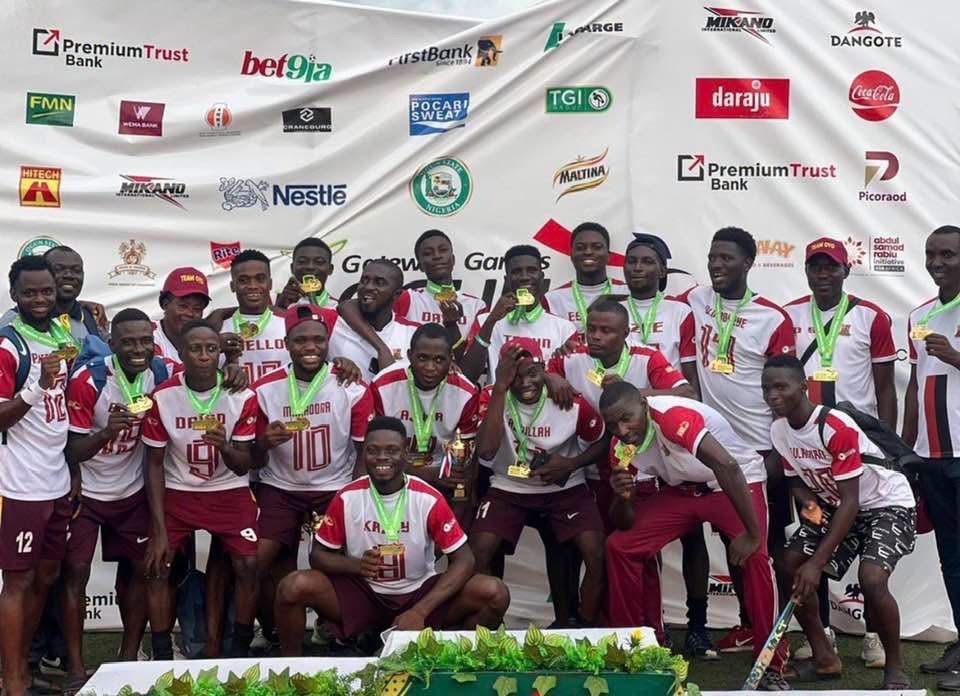
As Oyo State looks ahead to the forthcoming National Sports Festival in Enugu later this year, I believe it is important that we begin having this conversation now, not when the athletes are already on their way to Enugu. Success at the National Sports Festival does not begin at the festival. It begins months before the opening ceremony. For Oyo State, there is enough evidence from our recent performances to show that we have the talent and competitive capacity to be among Nigeria’s leading sporting states. What we need now is to translate that potential into a deliberate, sustained and well-coordinated preparation strategy. A COMPETITIVE TEAM, BUT THERE IS MORE TO ACHIEVE Team Oyo has remained consistently competitive at the National Sports Festival over the last three editions. At Edo 2020, Oyo finished 6th nationally, winning 103 medals—31 gold, 30 silver and 42 bronze. At Delta 2022, the state moved up to an impressive 4th position, recording 43 gold medals after the post-event review of the results. Then came the 2025 Gateway Games in Ogun State, where Team Oyo again finished 6th, but with an impressive 126 medals—38 gold, 38 silver and 50 bronze. There is an important lesson in these figures. The 2025 result should not simply be interpreted as a decline because Oyo finished 6th. In fact, the state recorded its highest overall medal haul of the three editions, increasing from 103 medals in Edo to 126 in Ogun. However, we must also acknowledge that Oyo slipped from the historic 4th-place finish achieved in Asaba. That should not discourage us. It should challenge us. The objective in Enugu should be more than simply matching the 126-medal performance. We should be looking to increase our gold-medal haul, improve our overall position and return Oyo State to the top four, and ultimately challenge for an even higher position on the national table. That will not happen by chance. THE HOCKEY STORY: WHAT DELIBERATE ATTENTION CAN PRODUCE One of the clearest examples of what is possible when attention, advocacy and encouragement meet talent is the story of the Oyo State Hockey Team. In April 2024, I came across conversations about the lack of adequate attention being given to hockey in Oyo State despite the impressive performances of some of our athletes at national and international competitions. My interest in this issue was also personal. As a young boy at Ibadan City Academy, I was exposed to different sporting disciplines through the school’s sporting equipment. It was there that I first encountered hockey sticks, discus, javelin, shot put and other equipment that introduced me to a world of sports beyond football. That early exposure shaped my belief that sports development must never be reduced to football alone. So when I saw the concerns around hockey, I decided not just to comment from afar but to engage. I visited the team during training to understand their reality firsthand. I saw young boys and girls preparing with determination despite the limitations around them, including the absence of a standard hockey pitch. I subsequently used my platforms to amplify their story, draw attention to their achievements and advocate for greater support. When the National Sports Festival in Ogun came around, I took that support a step further. I remember missing one of my final MSc presentations just to be with the lads in Ijebu-Ode during their semifinal campaign. Having previously won bronze and silver, my message to them was simple: “We’ve won bronze, we’ve won silver, and this time, we’re going for gold.” And they delivered. The Oluyole Bombers became champions, winning gold at the National Sports Festival, an important breakthrough and their first gold at the festival in recent years. For me, that gold medal represented much more than a sporting achievement. It was proof of what can happen when athletes are encouraged, supported, promoted and made to believe that their efforts matter. It also reinforced my conviction that sports development is beyond football. LET THE HOCKEY GOLD BE A TEMPLATE The success of the Oyo hockey team should not be treated as an isolated achievement. It should become a template. If a team that had struggled for adequate facilities and visibility could progress from competing for bronze and silver to becoming National Sports Festival champions, then there is an opportunity to replicate that progression across other sporting disciplines. We have athletes in athletics, boxing, basketball, volleyball, wrestling, cycling, kickboxing, table tennis and several other sports who deserve similar attention. Some of our athletes are already competing at national and international levels. Indeed, about six members of the Oyo hockey team have been part of the national hockey setup and are regarded among the best on the continent. These are not ordinary talents. They are assets to Oyo State. Our responsibility is to create the conditions that allow them to thrive. THE RACE TO ENUGU MUST BEGIN NOW As stakeholders prepare for Enugu, we must avoid the familiar culture of waiting until a few weeks to the festival before putting the necessary structures in place. We need to begin with early identification and preparation of medal prospects. There is a growing need for structured training programes for participating teams. Adequate provisions for sporting equipment and kits. Proper nutrition and welfare packages for athletes should be made top priority. We need timely incentives for athletes and coaches. We need quality technical and medical support. We need early camping where necessary. And we need transparent coordination between the government, sports administrators, coaches, athletes, private-sector partners and other stakeholders. Our athletes should arrive in Enugu focused entirely on competition—not worrying about accommodation, feeding, equipment, transportation, allowances or other basic welfare concerns that should have been addressed long before the festival. SPORTS MEDIA ALSO HAS A ROLE There is another area where we can do better: visibility. Despite being a state-owned team, many of our athletes and sporting teams remain largely invisible outside their immediate circles. This is where sports media, content creators and supporters can contribute.

THE RACE TO NATIONAL SPORTS FESTIVAL ENUGU 2026 HAS BEGUN: AN OPEN CALL FOR EARLY PREPARATION OF TEAM OYO Read More »

“Balancing Progress and Preservation: Oyo State’s Battle Against Illegal Structures and the Path to Sustainable Urban Development” by Idris Animasaun

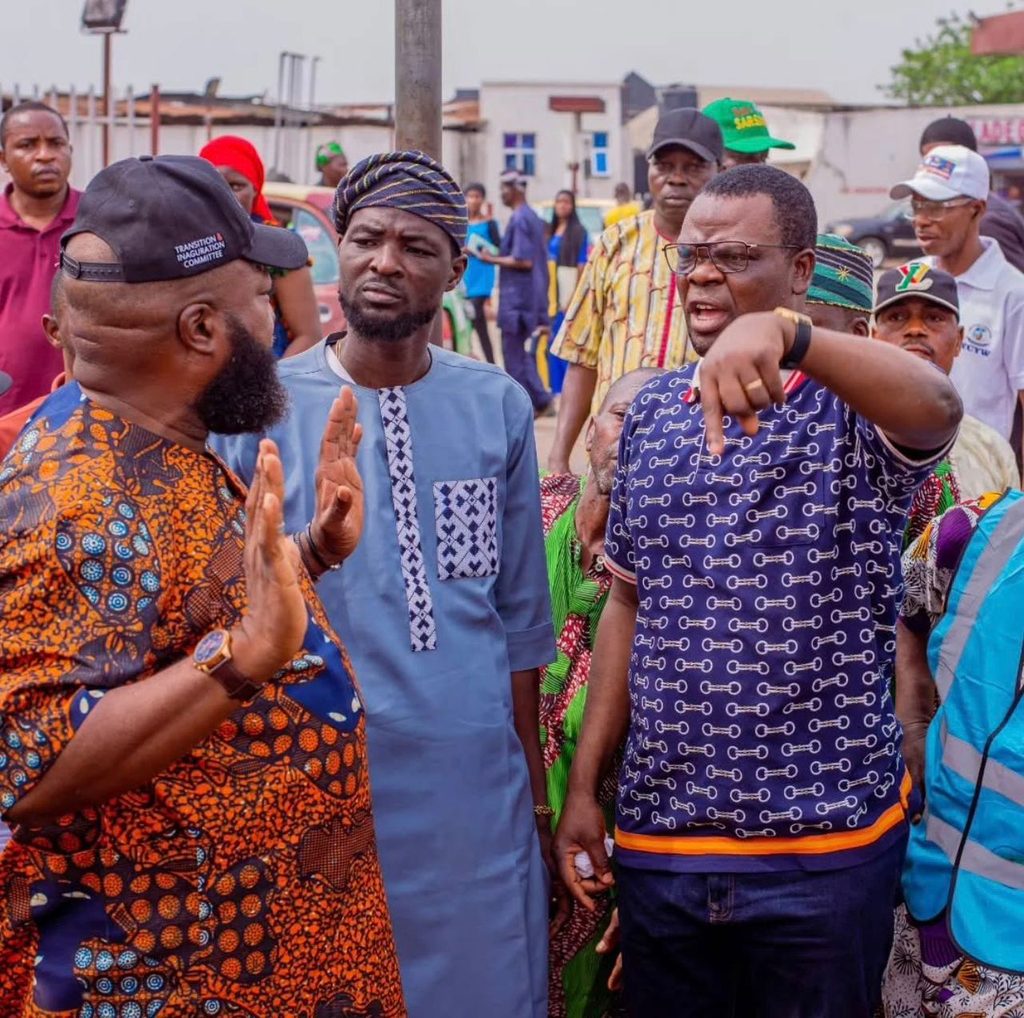
The growing presence of shanties, makeshift stalls, kiosks and other unauthorised structures around the Ojoo Bus Terminal in Ibadan became a subject of public concern in 2024, following an enforcement notice issued by the Oyo State Government directing squatters, stall owners and operators of kiosks around the area to relocate as they posed a big threat to urban development of the city. The government’s decision generated concerns among some of those affected, with representations reportedly made to the Chairman of Agidigbo FM, Alhaji Oriyomi Hamzat, seeking intervention and an appeal to the state authorities for a review of the enforcement process. The situation subsequently provided an opportunity for stakeholders to inspect the affected areas and examine the broader implications of unregulated development around one of Ibadan’s important gateways. During the inspection, which I undertook alongside Hon. Mojeed Mogbonjubola Jagaban and Alhaji Oriyomi Hamzat, attention was drawn not only to the structures themselves but also to their relationship with the surrounding environment, particularly drainage channels and waste management. For a city experiencing rapid expansion, the issue goes far beyond the removal of a few kiosks or shanties. The urban development question Ojoo occupies an important position within Ibadan’s urban geography. As one of the major entry points into the city, it serves as a transportation hub, commercial centre and gateway through which residents and visitors encounter Ibadan. What happens around such locations therefore contributes significantly to the perception of the city. When unplanned structures are allowed to progressively occupy road setbacks, drainage corridors, pedestrian spaces and other areas reserved for public infrastructure, the immediate consequence may appear to be limited to visual disorder. Over time, however, the consequences become much broader: obstruction of drainage, increased exposure to flooding, congestion, poor waste disposal, difficulty in infrastructure maintenance and deterioration of the general quality of the urban environment. This is why the conversation about illegal structures should not be reduced to government versus traders or enforcement versus livelihood. It is fundamentally a conversation about what kind of city we are deliberately building. Enforcement is part of urban governance Government enforcement of planning and environmental regulations should be taken seriously, particularly in a rapidly urbanising environment. Rules governing land use, setbacks, drainage corridors, road reservations and public spaces exist for reasons that often become apparent only when infrastructure fails. A drainage channel occupied by a kiosk may appear harmless on an ordinary day, but its obstruction can become a serious public-safety issue during intense rainfall. For this reason, enforcement should not be viewed simply as an exercise in removing people from their means of livelihood. It should be understood as part of the government’s responsibility to protect public infrastructure and preserve the long-term functionality of the city. However, effective enforcement must also be predictable, humane and transparent. Where informal economic activities have existed for years, government has a responsibility to communicate clearly, provide reasonable alternatives where possible and engage affected communities before enforcement. The objective should be to restore order without unnecessarily creating hardship. Climate resilience makes the issue even more urgent The concerns raised around Ojoo in 2024 remain relevant today because urban development is increasingly being shaped by climate realities. As rainfall patterns become more intense and urban surfaces become increasingly covered by buildings, concrete and other impermeable materials, drainage infrastructure becomes even more important. Every blocked channel, occupied setback and improperly disposed pile of waste can contribute to the disruption of stormwater movement. The explanation reportedly given by the then Commissioner for Environment during the engagement was therefore significant. The government communicated that the intervention was intended, among other things, to protect residents and businesses from the consequences of blocked drainage pathways during heavy rainfall. The state also indicated that provisions had been made to accommodate some commercial activities, including designated areas around the neighbourhood market. This approach is important because sustainable urban management should not simply ask, “How do we remove these structures?” It should also ask, “Where should these activities appropriately take place?” From enforcement to prevention One of the biggest lessons from the Ojoo experience is that enforcement should ideally happen before informal development becomes entrenched. A vacant setback today can become a row of shops tomorrow. A temporary kiosk can eventually become a permanent structure. A small accumulation of waste can develop into an environmental problem. By the time government intervenes, livelihoods may already depend on the location, making enforcement more difficult and socially sensitive. This means that urban governance must move from reactive enforcement to continuous monitoring and preventive planning. Planning authorities, environmental agencies, local governments, transport managers and communities must work together to identify vulnerable areas before illegal development becomes widespread. There is also a role for citizens. Supporting government does not mean blindly endorsing every enforcement action; neither does questioning government policy mean defending illegal development. The more constructive position is to demand enforcement that is lawful, consistent, humane and properly planned. The need for a balanced approach The empathy expressed by Alhaji Oriyomi Hamzat towards those who could be affected by the enforcement was important. People who depend on informal businesses for their livelihoods cannot simply be treated as obstacles to urban development. At the same time, compassion should not mean abandoning urban planning regulations. A compassionate government can enforce its laws while providing alternatives. A responsible citizen can defend their livelihood while respecting regulations designed to protect the wider community. The real objective should therefore be to create a balance between economic activity and urban order. Ojoo should not merely be seen as a place where illegal structures were removed. It should be viewed as a case study in how Ibadan can manage growth, protect infrastructure and improve the quality of its urban gateways. Looking beyond Ojoo The lesson from Ojoo extends to other rapidly developing parts of Ibadan and Oyo State. As the metropolitan area expands, more peri-urban communities will transition from peripheral settlements into major commercial and residential centres. If this growth is not properly managed, today’s temporary structures

“Balancing Progress and Preservation: Oyo State’s Battle Against Illegal Structures and the Path to Sustainable Urban Development” by Idris Animasaun Read More »

Dear Young Folks: From Critic to Builder — A Lesson for Young Changemakers

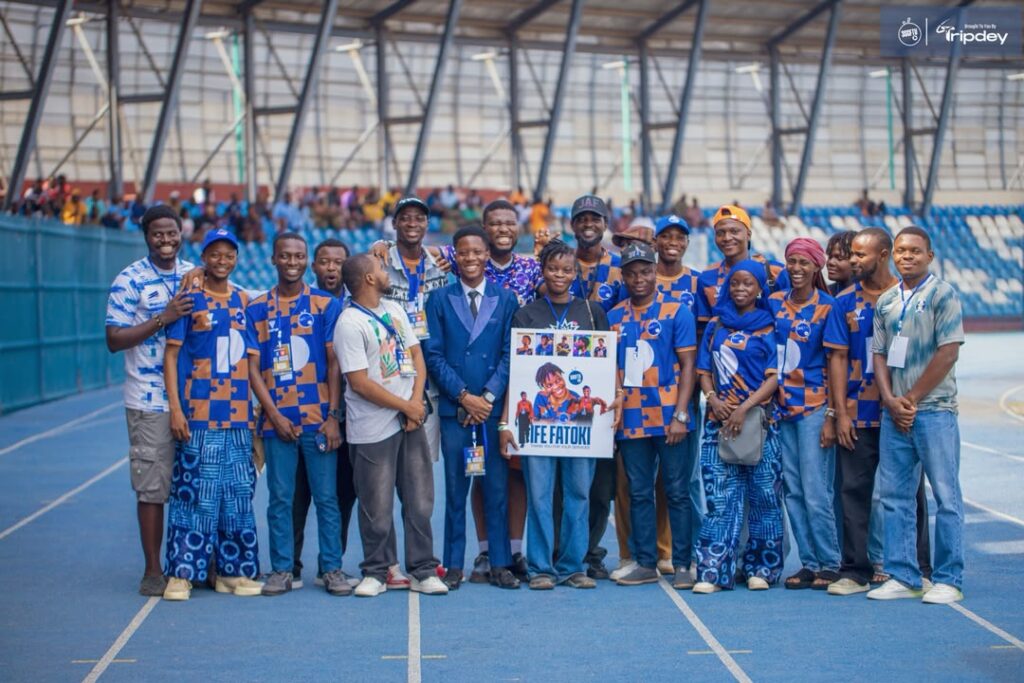
Dear Young Folks: Stop Talking. Build. For years, I was one of the loudest voices questioning the media structure around Shooting Stars Sports Club. I consistently argued that the club could do better in how it communicated, presented itself and connected with its supporters. I did not just make the argument privately; I said it publicly, sometimes quite loudly. I remember a particular season when I openly disagreed someone for personally funding a player unveiling without sufficiently leveraging the creative capacity available within Ibadan. My argument was simple: if we have the talent around us, why not build capacity from within? Why continue looking outside when there are young people who can be given an opportunity to contribute? Then, in March 2024, I received a call that changed my perspective. “You do more talking than doing.” It was uncomfortable to hear, particularly because I knew there was some truth in it. I had always believed I was demonstrating possibilities through my advocacy and previous attempts to contribute, but the reality was that it is easier to identify what is wrong with a system than to take responsibility for building something better. Resistance to collaboration, the limitations around volunteering and the frustrations that sometimes come with institutional structures had made criticism feel like the easier option. That conversation became a mirror. And we decided to execute. From Criticism to Contribution 3SCFansTV did not begin with a large budget, a corporate office or a sophisticated production team. It started with an idea and a willingness to do the work. The first photograph.The first graphic.The first reel.The first matchday coverage. Then another. And another. By the end of the 2024/25 season, we had produced more than 2,000 creative outputs, while building a growing community around the club and creating opportunities for young creatives to participate in something bigger than themselves. We pitched relentlessly. We reached out to businesses, partners and potential sponsors. We knocked on doors within and outside Oyo State. We made presentations. We asked people to believe in an idea that was still evolving. We sought resources, built relationships, invested our own time and resources, and kept showing up even when the results were not immediately visible. And perhaps most importantly, we created opportunities for people. The Volunteers Became Part of the Story One of the things I am most proud of about 3SCFansTV is not necessarily the number of followers, impressions or content pieces we have produced. It is the number of young people who have found a platform to learn, contribute, build portfolios, develop confidence and discover what they are capable of. Some came as volunteers. They came with different levels of experience, different backgrounds and different ambitions. But by being part of the process, they were exposed to photography, videography, graphics, social media management, matchday coordination, communication, branding and the discipline required to work as part of a team. We didn’t just ask them to volunteer. We gave them something to build. And as they grew, the project grew with them. That is why I often say that the true investment in 3SCFansTV is not sitting on our social media pages. It is sitting in the people who have passed through the project and are better equipped because they did. Changing How a Club Is Seen The larger objective was always bigger than creating football content. We wanted to change the way Shooting Stars was presented. A football club is more than what happens on the pitch for 90 minutes. Its brand lives in its stories, its supporters, its history, its players, its community and the way the outside world perceives it. 3SCFansTV became one of the platforms through which that story could be told from the fans’ perspective. In challenging the existing system, we also learnt how to operate within it. Boundaries became clearer. The mandate of 3SCFansTV became more defined. We were not trying to become the club’s official media department; we were building a strong, independent supporters-driven media platform that could complement the larger ecosystem while remaining faithful to its core identity. What began as agitation eventually became a movement. And movements require structure. We had to professionalise. We had to learn about partnerships, sponsorship, content strategy, volunteer management, brand relationships and accountability. We had to understand that passion alone cannot sustain an organisation. Passion needs systems. When Recognition Came The most satisfying part of the journey was not simply being recognised. It was knowing that the work had become visible enough to be recognised. Shooting Stars’ media visibility improved. The club’s supporters became more organised and engaged. Our community grew. Partners began to see value in associating with the platform. We were able to contribute to the visibility of the club and its activities in ways that extended beyond matchdays. And eventually, the work received institutional recognition, with Shooting Stars winning Media Team of the Season and the Best Supporters Club award last season. Those recognitions belong to everyone who contributed to the journey. To every volunteer who showed up when there was little or nothing to gain personally. To every photographer who stood under the sun waiting for that one shot. To every designer who worked late. To every contributor who shared an idea. To every partner who believed in us. To every sponsor who saw beyond the numbers. And to every supporter who liked, shared, commented, attended and encouraged us. You are the reason this exists. What It Has Done to Me Personally, 3SCFansTV has changed me. I have gone from being the young boy hawking jerseys around the stadium to someone who can walk into corporate spaces, sit across a table with executives, negotiate partnerships, present ideas and handle official communications. That transformation did not happen because I suddenly became more talented. It happened because I started doing. Doing forced me to learn. Doing exposed my weaknesses. Doing introduced me to people who became mentors. Doing taught me leadership. Doing taught me that when you take responsibility for an idea,

Dear Young Folks: From Critic to Builder — A Lesson for Young Changemakers Read More »

Policing the Future: “Sustainable and Inclusive Designs for Safer Communities”

A few months ago, I came across an encouraging update: the honorable member representing my constituency has commenced the construction of a new police post. This development is not only commendable, but it also affirms the findings from my 2022 urban renewal proposal for the Kudeti area. Growing up in this neighborhood, we witnessed repeated waves of insecurity, especially attacks linked to the notorious “One Million Boys” and other gangs. It wasn’t until the death of Biola Ebila in July 2020, during a violent confrontation with a rival group, that relative calm returned to the area. But the scars of insecurity remain. When I began my urban renewal project, data revealed a striking reality: the stretch from Molete through Yejide, Community Grammar School, Ilupeju, Kudeti, with spurs reaching Agbongbon, Idi-Arere, and down to Bode, is home to over 1,000 families. Yet, these neighborhoods are currently expected to rely solely on the Idi-Aro and Sanyo police divisions for security coverage. The construction of this new police post is, therefore, not just timely, it is a critical enhancement to the area’s security architecture. However, this move also brings to the fore previous failed attempts. For instance, the Adeyemo/Osungbade community once initiated a police post project that remains incomplete despite interventions, including cash donations by Hon. Dapo Lam Adesina. But beyond the need to increase the number of police posts under existing divisions, there’s a pressing call to rethink their design and functionality. It’s time we moved away from the intimidating, closed-off structures of the past and toward user-friendly facilities that foster positive relationships between officers and the communities they serve. Although the design of the newly proposed police post has yet to be made public, I strongly hope it considers key improvements. There must be provisions for shaded, covered waiting areas for civilians, which are often neglected. This lack of comfort not only discourages public engagement but can also become grounds for harassment. Moreover, overreliance on artificial ventilation and lighting compromises sustainability. My design proposals in 2022 focused on addressing these very issues by incorporating passive design strategies that enhance comfort while minimizing energy use. While every design can evolve, we must start ensuring that these public facilities are not only functional but also sustainable and community-friendly, from their form and façade to the spaces within. Idris Animasaun Architect and Social Change Advocate

Policing the Future: “Sustainable and Inclusive Designs for Safer Communities” Read More »

Oyo State’s Energy Strides: Celebrating Achievements and Addressing Regulatory Gaps.

The recent National Economic Summit, hosted by the Jericho Businessmen Club, provided valuable insights into the achievements of the Oyo State Ministry of Energy and Mineral Resources under the leadership of Barr. Nurudeen Ashamu Seun Temilolu. Those in attendance recounted how he highlighted the administration’s impact and the strides made in the energy sector. One key takeaway was his candid acknowledgment of the skepticism surrounding his legal background and the challenges faced, particularly in sustaining the Light Up Oyo project. However, it is undeniable that he has surpassed expectations by implementing bold reforms, expanding rural electrification, and fostering public-private partnerships. Unfortunately, these achievements remain underreported, perhaps due to inadequate media coverage or the ministry’s preference for a low-profile approach. His legal expertise has been a significant asset in ensuring energy reforms, in terms of regulatory compliance, contract negotiations, and structured policy formulation. His hands-on leadership, innovative mindset, and commitment to sustainable energy solutions have positioned Oyo State as a model for sub-national energy initiatives. Moving forward, an urgent priority should be the immediate establishment of the Oyo State Electricity Regulatory Commission (OSERC), which was signed into law alongside the State Electricity Bill in 2024. According to the National Electricity Regulatory Commission (NERC), the OSERC should already be operational, per the order of transfer. The commission is crucial for setting up a state-regulated electricity framework that will attract private investors, particularly power generation companies (GENCOs). It will also complement ongoing efforts, including the newly commissioned Independent Power Projects (IPPs) and other critical energy initiatives across the state. Ensuring OSERC’s functionality will solidify the state’s progress and unlock further opportunities for energy sector growth. Idris AnimasaunArchitect and Social Change Advocate

Oyo State’s Energy Strides: Celebrating Achievements and Addressing Regulatory Gaps. Read More »

“Breaking the Barrier: The HND/BSc Dichotomy and Its Impact on Human Capital Development in Nigeria”

The HND/BSc dichotomy has long been a source of frustration and inequality in Nigeria’s education and employment sectors. While both qualifications require rigorous academic work and practical training, HND holders face systemic discrimination, particularly in government jobs and private sector placements. Many companies limit HND graduates to lower career levels, restricting their chances of promotion and professional growth. This bias not only stifles individual potential but also hinders national human capital development, as thousands of skilled and capable professionals are sidelined due to an outdated classification system. In a world where technical and vocational expertise should be valued alongside traditional academic degrees, Nigeria continues to reinforce a class divide between polytechnic and university graduates, to the detriment of its workforce. Beyond the employment barrier, the HND route is a significant waste of time for many students who choose it, often out of financial constraints or admission difficulties in universities. While a BSc degree typically takes four to five years to complete, HND graduates spend two years in ND, another two in HND, plus an extra year of mandatory industrial training (IT), totaling five years, yet they still face limitations. Many are forced to undergo additional “conversion” programs to obtain a BSc equivalent before they can fully compete for jobs, resulting in prolonged academic years with no guaranteed career advantage. This inefficiency discourages technical education, leaving polytechnics struggling with declining enrollment as students opt for university programs to avoid discrimination. For some fields, the HND qualification is practically terminal, making professional certification nearly impossible without additional academic upgrades. A glaring example is Architecture, where HND holders cannot obtain full professional licensing until they complete a university “conversion” to BSc Architecture before proceeding to an MSc or the necessary professional exams. This puts HND graduates in a disadvantaged loop, forcing them to either spend extra years bridging the gap or abandon their career ambitions altogether. Such structural barriers devalue polytechnic education and create unnecessary obstacles for skilled individuals, limiting their contributions to national development. The refusal to eliminate this outdated dichotomy not only wastes time, talent, and resources but also slows Nigeria’s progress in key industries that rely on technical expertise. The 2021 Bill, which aimed to abolish this discrimination, was a beacon of hope, yet it remains unsigned, leaving thousands of graduates in limbo. Instead of directing anger at institutions like Taraba State University, who recently published employment opportunities exuded these previously highlighted biases, efforts should be channeled towards pressuring the National Assembly and the Presidency to revive the bill. HND holders, student bodies, and advocacy groups must intensify their push for reform, ensuring that every qualification is given the respect it deserves. Only then can Nigeria build a truly inclusive, fair, and productive workforce that maximizes the potential of all its graduates. Idris AnimasaunArchitect and Social Change Advocate

“Breaking the Barrier: The HND/BSc Dichotomy and Its Impact on Human Capital Development in Nigeria” Read More »

“A Call for Sustainable Urban Development and Community-Centered Growth” by Idris Animasaun

Someone recently told me to stay silent when states discuss the environment and climate change, saying I come from a state that has turned open parks and gardens into real estate. While His Excellency is one of the best governors in the country and a leader I deeply respect, it is becoming increasingly important to pay attention to the concerns being raised regarding the environment and social development. The United Nations Agenda 2030 reminds us that “sustainable cities and communities are critical to ensuring a future where no one is left behind.” I am deeply concerned about the extensive deforestation our city has experienced in recent years under this administration, without efforts to replant or restore green spaces. We’ve lost public places that once allowed for community gatherings and social interaction, yet there have been no upgrades to existing facilities, let alone the development of new ones. The absence of street furniture and intentional urban design in our road rehabilitation projects highlights a gap in prioritizing public spaces as catalysts for social cohesion and development. As stated in Goal 11 of the UN Agenda 2030, “access to green and public spaces, in particular for women, children, older persons and persons with disabilities,” is essential for inclusive, safe, and resilient cities. The environmental and social impacts of these changes cannot be overlooked. We have an opportunity—and a responsibility—to reverse this trend by investing in sustainable urban development that strengthens both our environment and our sense of community. There is immense room for improvement. Idris Animasaun Architect and Social Change Advocate

“A Call for Sustainable Urban Development and Community-Centered Growth” by Idris Animasaun Read More »

Mukaila Auxiliary: Reflections on Power, Struggles, and Fate

One thing I can tell you for certain, many atrocities will be committed in the name of road union leadership. But beyond the chaos, behind the hardened voices and the fearsome reputations, lies a calculated effort to instill fear, an unspoken strategy to maintain power. Yet, beneath the surface, behind the actions, sometimes theirs, but often their followers’, there exists a father, a husband, a man with emotions hidden beneath the weight of his title. These were the moments I witnessed in the eyes of Mukaila Auxiliary when I met him a few days ago at Agodi Correctional Centre. The man before me was reflective, deeply aware of how all power ultimately belongs to Allah. He spoke with conviction, if he had been here before and found freedom, he was confident that mercy would find him once again. But what struck me the most was his unwavering respect for the very system that has kept him captive. Behind his humbled face, I could still see the echoes of battles fought, the weight of a struggle that never truly ended. And for a moment, I found myself reminiscing, about the times I tried to reach out, not just to him, but to the very structure he represented. I grew up in the heat and heart of it all in the early 2000s. • I’ve met Alhaji Akewusola Tokyo. • I walked freely into Alhaji Tawa’s house almost every week. • I was raised in Molete—the HQ of Oyo Politics. I reminded him of how we first met at Oga’s house just days before the election. I was starstruck, yet I felt an overwhelming sense of pity. Deep down, I had a feeling it wouldn’t end well. If only they were smart enough… just if only. Power, Betrayal, and the Cycles of Fate Power is a revolving door, but loyalty is often left outside. The very people who struggle alongside you, who chant your name in the streets, are sometimes the first to disappear when the tide turns. Those who once swore allegiance become the architects of your downfall. The same system that rewards also punishes, and in the end, everyone is just another character in a script already written by fate. Auxiliary’s story is not unique—it is a script that has played out in history over and over again. The difference is only in the names, the faces, and the timeline. Idris AnimasaunArchitect and Social Change Advocate

Mukaila Auxiliary: Reflections on Power, Struggles, and Fate Read More »

Unwanted Preaching and Public Etiquette: A Morning Bus Experience

This morning, someone was preaching inside the bus, and with every other sentence, tiny droplets of saliva found their way onto my friend, who was unfortunately seated directly across from him. It got so uncomfortable that my friend had to borrow my bag just to shield his legs from the unintended “blessings.” Despite clearly noticing my friend’s discomfort, the preacher only offered a brief apology but didn’t make any effort to adjust his manner of speaking. I asked my friend why he didn’t just speak up about the situation. He sighed and said he didn’t want to come across as disrespectful. So, we endured the entire journey in silence. When we finally reached our destination, he shared an interesting perspective with me: What if someone else had stood up and loudly declared, “Selu Alanabi Li Kerim” (a common phrase in religious gatherings)? I replied, “Salala Alehi Salam,” as expected. He then pointed out how, in such a scenario, those who had previously ignored the discomfort would suddenly start taking sides, arguing that since the preacher started first, he should be allowed to continue uninterrupted. Well, lesson learned. Next time someone tries that nonsense with me, I’ll pull out my mobile speaker and blast some Naira Marley at full volume. Let’s see how that plays out!

Unwanted Preaching and Public Etiquette: A Morning Bus Experience Read More »

Navigating Your Architectural Journey: Making Informed Choices for a Successful Career

Dear Aspiring Architectural Students, One of the most critical decisions you will make in your academic and professional journey is not just whether to study architecture but where and how you choose to pursue it. The path you take can significantly influence your future opportunities, and this is where careful consideration and informed decision-making become essential. One of the biggest mistakes you might make is to continue your architectural education beyond the Ordinary National Diploma (OND) level at a polytechnic, assuming that this will seamlessly transition into a successful architectural career. The reality is that this path is fraught with challenges, particularly due to the disparity between polytechnic and university qualifications in the field of architecture. This issue is compounded by outdated policies that have yet to be abolished, despite the significant impact they have on students’ futures. I recall an incident where a lecturer I knew from my polytechnic days came for an accreditation visit to Lead City University. I took the opportunity to ask a pointed question that almost caused an uproar. I revealed that I had been admitted to study architecture over 20 years ago and questioned why, despite knowing the hardships and disparities between polytechnic and university pathways, no guidance was given to me to avoid these pitfalls. This lack of guidance has led to years of wasted effort, as I found myself facing roadblocks such as being denied entry into a Master’s program after completing a Postgraduate Diploma in Landscape Architecture. This experience is not unique; it highlights a systemic issue where those who should be advocating for change are instead profiting from the status quo. The silence from professional bodies and educators on this matter is deafening, and it raises serious questions about the integrity of our educational system. It is high time we review and reform our educational policies to create a more equitable and integrated system that serves the best interests of students. It’s not enough to simply select a school or a course of study; you must ensure that the program you choose is accredited and recognized by the relevant professional bodies. This verification is crucial because pursuing a non-accredited program can result in wasted time, effort, and financial resources, ultimately limiting your career prospects. Parents and guardians play a pivotal role in this decision-making process. It is their responsibility to seek out all relevant information regarding the choices of schools and courses of study for their wards. This includes verifying the accreditation status of the programs their children wish to pursue. In today’s rapidly changing educational landscape, staying informed and vigilant is not just advisable, it’s necessary. The consequences of enrolling in a non-accredited program can be severe, leading to career setbacks and the need for additional qualifications later on. Furthermore, the role of guidance counselors in schools cannot be overemphasized. These professionals are in a unique position to provide valuable insights and advice to students, helping them navigate the complexities of educational choices. They are well-versed in the intricacies of accreditation, program requirements, and the professional landscape that students will eventually enter. As we speak, HND Architecture is terminal and should be considered as a terrible study route that elongates the amount of years to be spent in school for any intended professional. It is vital for students to pay close attention to the guidance offered by these counselors, as their advice can be instrumental in avoiding the pitfalls that have ensnared many unsuspecting students in the past. As you embark on your journey toward success, remember that it is not a race against others but a personal journey. Some may reach their goals quickly, while others may take longer, but the important thing is to keep moving forward. If you find that a particular path is not working, take a moment to pause, reassess, and choose a new direction. The key is to remain focused on your destination, knowing that with perseverance and the right guidance, you will ultimately achieve your goals. Idris Animasaun Architect and Social Change Advocate

Navigating Your Architectural Journey: Making Informed Choices for a Successful Career Read More »