
Sustainability

“Breaking the Barrier: The HND/BSc Dichotomy and Its Impact on Human Capital Development in Nigeria”

The HND/BSc dichotomy has long been a source of frustration and inequality in Nigeria’s education and employment sectors. While both qualifications require rigorous academic work and practical training, HND holders face systemic discrimination, particularly in government jobs and private sector placements. Many companies limit HND graduates to lower career levels, restricting their chances of promotion and professional growth. This bias not only stifles individual potential but also hinders national human capital development, as thousands of skilled and capable professionals are sidelined due to an outdated classification system. In a world where technical and vocational expertise should be valued alongside traditional academic degrees, Nigeria continues to reinforce a class divide between polytechnic and university graduates, to the detriment of its workforce. Beyond the employment barrier, the HND route is a significant waste of time for many students who choose it, often out of financial constraints or admission difficulties in universities. While a BSc degree typically takes four to five years to complete, HND graduates spend two years in ND, another two in HND, plus an extra year of mandatory industrial training (IT), totaling five years, yet they still face limitations. Many are forced to undergo additional “conversion” programs to obtain a BSc equivalent before they can fully compete for jobs, resulting in prolonged academic years with no guaranteed career advantage. This inefficiency discourages technical education, leaving polytechnics struggling with declining enrollment as students opt for university programs to avoid discrimination. For some fields, the HND qualification is practically terminal, making professional certification nearly impossible without additional academic upgrades. A glaring example is Architecture, where HND holders cannot obtain full professional licensing until they complete a university “conversion” to BSc Architecture before proceeding to an MSc or the necessary professional exams. This puts HND graduates in a disadvantaged loop, forcing them to either spend extra years bridging the gap or abandon their career ambitions altogether. Such structural barriers devalue polytechnic education and create unnecessary obstacles for skilled individuals, limiting their contributions to national development. The refusal to eliminate this outdated dichotomy not only wastes time, talent, and resources but also slows Nigeria’s progress in key industries that rely on technical expertise. The 2021 Bill, which aimed to abolish this discrimination, was a beacon of hope, yet it remains unsigned, leaving thousands of graduates in limbo. Instead of directing anger at institutions like Taraba State University, who recently published employment opportunities exuded these previously highlighted biases, efforts should be channeled towards pressuring the National Assembly and the Presidency to revive the bill. HND holders, student bodies, and advocacy groups must intensify their push for reform, ensuring that every qualification is given the respect it deserves. Only then can Nigeria build a truly inclusive, fair, and productive workforce that maximizes the potential of all its graduates. Idris AnimasaunArchitect and Social Change Advocate
“Breaking the Barrier: The HND/BSc Dichotomy and Its Impact on Human Capital Development in Nigeria” Read More »

Tragedy at Eleyele Junction: A Call for a Cleaner, Safer, and Sustainable Environment

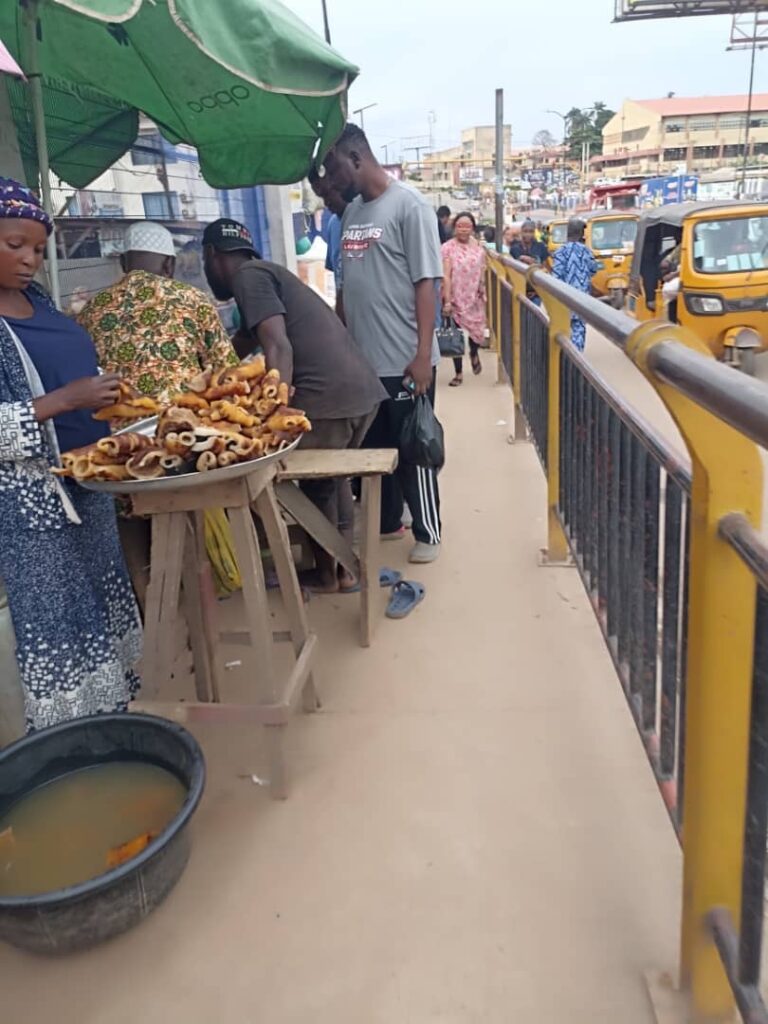
A few days ago, a tragic incident occurred at Eleyele Junction in Ibadan Metropolis. According to eyewitness accounts, a truck loaded with granite lost control and struck roadside traders before crashing into a garage where passengers were waiting. This devastating accident left several injured, lives lost, and the community in chaos and mourning. This heartbreaking event underscores the urgent need to address the dangers of roadside trading and its impact on public safety. While the Oyo State Government has repeatedly warned against trading on walkways, setbacks, and main roads, citing concerns about city aesthetics and public safety, recent events suggest a gap in enforcement and commitment to maintaining a safer environment. Underpasses at Molete, Mokola, and similar locations have become hubs for traders and beggars, raising questions about the state’s resolve in addressing this growing menace. A visit to the Challenge area reveals how pedestrian walkways have been overtaken by traders, forcing pedestrians onto busy roads and endangering their lives. Despite the visible presence of officers from the Oyo State Road Traffic Maintenance Agency (OYRTMA), enforcement remains weak. One anonymous trader disclosed that individuals regularly collect revenue from them for using these spaces. This raises critical questions: • Who is collecting this revenue? • Were these spaces designed for trading? • Why aren’t the environmental task force and other agencies enforcing regulations effectively? If the state government is truly committed to creating a cleaner, safer, and more sustainable environment, immediate action is required. Enforcement of regulations must be swift and consistent, complemented by sustained advocacy and awareness campaigns. These campaigns should target schools, markets, and malls, emphasizing the importance of maintaining order, cleanliness, and public safety. A cleaner and safer Ibadan is possible, but it requires intentionality and collective effort. Oyo shi ma dun! #ZeroToleranceIbadan #CleanerIbadan #Environment #SustainableDevelopment #Sustainability Idris Animasaun Architect and Social Change Advocate

Tragedy at Eleyele Junction: A Call for a Cleaner, Safer, and Sustainable Environment Read More »

“Balancing Progress and Preservation: Oyo State’s Battle Against Illegal Structures and the Path to Sustainable Urban Development” by Idris Animasaun

Following the indiscriminate springing up of shanties, illegal structures and kiosks around the perimeter of Ojoo Bus Terminal, The Oyo State Government had earlier issued a seven-day relocation notice to all squatters, stall and kiosks owners to vacate the area. The development led to protest being made to the Chairman of Agidigbo FM Oriyomi Hamzat by the victim asking him to help appeal to the State Government through the Honorable Commissioner for Environment for staying of execution of the enforcements. On Saturday, I joined Hon. Mojeed Mogbonjubola Jagaban and Alhaji Oriyomi Hamzat to carry out inspections of the affected areas. As an advocate of sustainable waste management, it is important to review illegal shanties and stalls already on drainage channels. The city is currently experiencing a rapid urbanization of its peri-urban centers like Ojoo becoming a gateway into the city, a focal point and as such have her own impact on businesses but most importantly on the city’s image, perception and impression of the state. Addressing the presence of shanties and illegal structures in urban neighborhoods is crucial for the well-being and progress of the community. It goes beyond immediate safety concerns, extending to the broader goals of organized development, improved infrastructure, and enhanced overall quality of life. Removing these structures opens up opportunities for positive transformation, fostering a resilient and aesthetically pleasing urban environment that benefits everyone. And there is now a growing need to ensure we do not only collaborate but compliment that he effort of the government. The commissioner communicated the ministry’s plan with the market men and women that the effort of the state government is for their own safety as the intensity of rainfall associated with climate action means there will be flooding if pathways for water is being blocked by some of their activities. He emphasized that provisions were already made to cordon off some parts for them to go about their daily activities, stressing the need to accomodate one another with respect to these existing provision which includes the neighborhood market. Alhaji Oriyomi Hamzat empathize with those that may/will be affected by this decision and told them to be law abiding as the Seyi Makinde administration is a compassionate administration that will continue to put the interest of the state first.

“Balancing Progress and Preservation: Oyo State’s Battle Against Illegal Structures and the Path to Sustainable Urban Development” by Idris Animasaun Read More »