

Sustainable development

“Balancing Progress and Preservation: Oyo State’s Battle Against Illegal Structures and the Path to Sustainable Urban Development” by Idris Animasaun

The growing presence of shanties, makeshift stalls, kiosks and other unauthorised structures around the Ojoo Bus Terminal in Ibadan became a subject of public concern in 2024, following an enforcement notice issued by the Oyo State Government directing squatters, stall owners and operators of kiosks around the area to relocate as they posed a big threat to urban development of the city. The government’s decision generated concerns among some of those affected, with representations reportedly made to the Chairman of Agidigbo FM, Alhaji Oriyomi Hamzat, seeking intervention and an appeal to the state authorities for a review of the enforcement process. The situation subsequently provided an opportunity for stakeholders to inspect the affected areas and examine the broader implications of unregulated development around one of Ibadan’s important gateways. During the inspection, which I undertook alongside Hon. Mojeed Mogbonjubola Jagaban and Alhaji Oriyomi Hamzat, attention was drawn not only to the structures themselves but also to their relationship with the surrounding environment, particularly drainage channels and waste management. For a city experiencing rapid expansion, the issue goes far beyond the removal of a few kiosks or shanties. The urban development question Ojoo occupies an important position within Ibadan’s urban geography. As one of the major entry points into the city, it serves as a transportation hub, commercial centre and gateway through which residents and visitors encounter Ibadan. What happens around such locations therefore contributes significantly to the perception of the city. When unplanned structures are allowed to progressively occupy road setbacks, drainage corridors, pedestrian spaces and other areas reserved for public infrastructure, the immediate consequence may appear to be limited to visual disorder. Over time, however, the consequences become much broader: obstruction of drainage, increased exposure to flooding, congestion, poor waste disposal, difficulty in infrastructure maintenance and deterioration of the general quality of the urban environment. This is why the conversation about illegal structures should not be reduced to government versus traders or enforcement versus livelihood. It is fundamentally a conversation about what kind of city we are deliberately building. Enforcement is part of urban governance Government enforcement of planning and environmental regulations should be taken seriously, particularly in a rapidly urbanising environment. Rules governing land use, setbacks, drainage corridors, road reservations and public spaces exist for reasons that often become apparent only when infrastructure fails. A drainage channel occupied by a kiosk may appear harmless on an ordinary day, but its obstruction can become a serious public-safety issue during intense rainfall. For this reason, enforcement should not be viewed simply as an exercise in removing people from their means of livelihood. It should be understood as part of the government’s responsibility to protect public infrastructure and preserve the long-term functionality of the city. However, effective enforcement must also be predictable, humane and transparent. Where informal economic activities have existed for years, government has a responsibility to communicate clearly, provide reasonable alternatives where possible and engage affected communities before enforcement. The objective should be to restore order without unnecessarily creating hardship. Climate resilience makes the issue even more urgent The concerns raised around Ojoo in 2024 remain relevant today because urban development is increasingly being shaped by climate realities. As rainfall patterns become more intense and urban surfaces become increasingly covered by buildings, concrete and other impermeable materials, drainage infrastructure becomes even more important. Every blocked channel, occupied setback and improperly disposed pile of waste can contribute to the disruption of stormwater movement. The explanation reportedly given by the then Commissioner for Environment during the engagement was therefore significant. The government communicated that the intervention was intended, among other things, to protect residents and businesses from the consequences of blocked drainage pathways during heavy rainfall. The state also indicated that provisions had been made to accommodate some commercial activities, including designated areas around the neighbourhood market. This approach is important because sustainable urban management should not simply ask, “How do we remove these structures?” It should also ask, “Where should these activities appropriately take place?” From enforcement to prevention One of the biggest lessons from the Ojoo experience is that enforcement should ideally happen before informal development becomes entrenched. A vacant setback today can become a row of shops tomorrow. A temporary kiosk can eventually become a permanent structure. A small accumulation of waste can develop into an environmental problem. By the time government intervenes, livelihoods may already depend on the location, making enforcement more difficult and socially sensitive. This means that urban governance must move from reactive enforcement to continuous monitoring and preventive planning. Planning authorities, environmental agencies, local governments, transport managers and communities must work together to identify vulnerable areas before illegal development becomes widespread. There is also a role for citizens. Supporting government does not mean blindly endorsing every enforcement action; neither does questioning government policy mean defending illegal development. The more constructive position is to demand enforcement that is lawful, consistent, humane and properly planned. The need for a balanced approach The empathy expressed by Alhaji Oriyomi Hamzat towards those who could be affected by the enforcement was important. People who depend on informal businesses for their livelihoods cannot simply be treated as obstacles to urban development. At the same time, compassion should not mean abandoning urban planning regulations. A compassionate government can enforce its laws while providing alternatives. A responsible citizen can defend their livelihood while respecting regulations designed to protect the wider community. The real objective should therefore be to create a balance between economic activity and urban order. Ojoo should not merely be seen as a place where illegal structures were removed. It should be viewed as a case study in how Ibadan can manage growth, protect infrastructure and improve the quality of its urban gateways. Looking beyond Ojoo The lesson from Ojoo extends to other rapidly developing parts of Ibadan and Oyo State. As the metropolitan area expands, more peri-urban communities will transition from peripheral settlements into major commercial and residential centres. If this growth is not properly managed, today’s temporary structures
“Balancing Progress and Preservation: Oyo State’s Battle Against Illegal Structures and the Path to Sustainable Urban Development” by Idris Animasaun Read More »

“A Call for Sustainable Urban Development and Community-Centered Growth” by Idris Animasaun

Someone recently told me to stay silent when states discuss the environment and climate change, saying I come from a state that has turned open parks and gardens into real estate. While His Excellency is one of the best governors in the country and a leader I deeply respect, it is becoming increasingly important to pay attention to the concerns being raised regarding the environment and social development. The United Nations Agenda 2030 reminds us that “sustainable cities and communities are critical to ensuring a future where no one is left behind.” I am deeply concerned about the extensive deforestation our city has experienced in recent years under this administration, without efforts to replant or restore green spaces. We’ve lost public places that once allowed for community gatherings and social interaction, yet there have been no upgrades to existing facilities, let alone the development of new ones. The absence of street furniture and intentional urban design in our road rehabilitation projects highlights a gap in prioritizing public spaces as catalysts for social cohesion and development. As stated in Goal 11 of the UN Agenda 2030, “access to green and public spaces, in particular for women, children, older persons and persons with disabilities,” is essential for inclusive, safe, and resilient cities. The environmental and social impacts of these changes cannot be overlooked. We have an opportunity—and a responsibility—to reverse this trend by investing in sustainable urban development that strengthens both our environment and our sense of community. There is immense room for improvement. Idris Animasaun Architect and Social Change Advocate

“A Call for Sustainable Urban Development and Community-Centered Growth” by Idris Animasaun Read More »

Tragedy at Eleyele Junction: A Call for a Cleaner, Safer, and Sustainable Environment

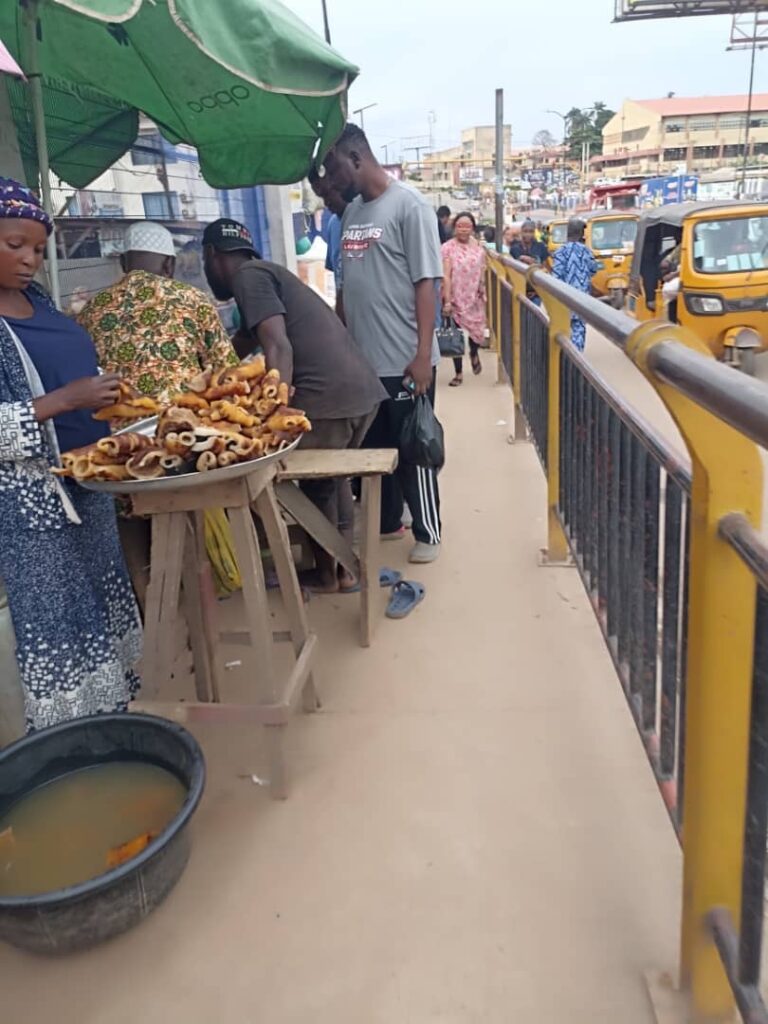
A few days ago, a tragic incident occurred at Eleyele Junction in Ibadan Metropolis. According to eyewitness accounts, a truck loaded with granite lost control and struck roadside traders before crashing into a garage where passengers were waiting. This devastating accident left several injured, lives lost, and the community in chaos and mourning. This heartbreaking event underscores the urgent need to address the dangers of roadside trading and its impact on public safety. While the Oyo State Government has repeatedly warned against trading on walkways, setbacks, and main roads, citing concerns about city aesthetics and public safety, recent events suggest a gap in enforcement and commitment to maintaining a safer environment. Underpasses at Molete, Mokola, and similar locations have become hubs for traders and beggars, raising questions about the state’s resolve in addressing this growing menace. A visit to the Challenge area reveals how pedestrian walkways have been overtaken by traders, forcing pedestrians onto busy roads and endangering their lives. Despite the visible presence of officers from the Oyo State Road Traffic Maintenance Agency (OYRTMA), enforcement remains weak. One anonymous trader disclosed that individuals regularly collect revenue from them for using these spaces. This raises critical questions: • Who is collecting this revenue? • Were these spaces designed for trading? • Why aren’t the environmental task force and other agencies enforcing regulations effectively? If the state government is truly committed to creating a cleaner, safer, and more sustainable environment, immediate action is required. Enforcement of regulations must be swift and consistent, complemented by sustained advocacy and awareness campaigns. These campaigns should target schools, markets, and malls, emphasizing the importance of maintaining order, cleanliness, and public safety. A cleaner and safer Ibadan is possible, but it requires intentionality and collective effort. Oyo shi ma dun! #ZeroToleranceIbadan #CleanerIbadan #Environment #SustainableDevelopment #Sustainability Idris Animasaun Architect and Social Change Advocate

Tragedy at Eleyele Junction: A Call for a Cleaner, Safer, and Sustainable Environment Read More »

“A Call for Sustainable Urban Development and Community-Centered Growth” by Idris Animasaun

Someone recently told me to stay silent when states discuss the environment and climate change, saying I come from a state that has turned open parks and gardens into real estate. While His Excellency is one of the best governors in the country and a leader I deeply respect, it is becoming increasingly important to pay attention to the concerns being raised regarding the environment and social development. The United Nations Agenda 2030 reminds us that “sustainable cities and communities are critical to ensuring a future where no one is left behind.” I am deeply concerned about the extensive deforestation our city has experienced in recent years under this administration, without efforts to replant or restore green spaces. We’ve lost public places that once allowed for community gatherings and social interaction, yet there have been no upgrades to existing facilities, let alone the development of new ones. The absence of street furniture and intentional urban design in our road rehabilitation projects highlights a gap in prioritizing public spaces as catalysts for social cohesion and development. As stated in Goal 11 of the UN Agenda 2030, “access to green and public spaces, in particular for women, children, older persons and persons with disabilities,” is essential for inclusive, safe, and resilient cities. The environmental and social impacts of these changes cannot be overlooked. We have an opportunity—and a responsibility—to reverse this trend by investing in sustainable urban development that strengthens both our environment and our sense of community. There is immense room for improvement. Idris Animasaun Architect and Social Change Advocate

“A Call for Sustainable Urban Development and Community-Centered Growth” by Idris Animasaun Read More »

“Balancing Progress and Preservation: Oyo State’s Battle Against Illegal Structures and the Path to Sustainable Urban Development” by Idris Animasaun

Following the indiscriminate springing up of shanties, illegal structures and kiosks around the perimeter of Ojoo Bus Terminal, The Oyo State Government had earlier issued a seven-day relocation notice to all squatters, stall and kiosks owners to vacate the area. The development led to protest being made to the Chairman of Agidigbo FM Oriyomi Hamzat by the victim asking him to help appeal to the State Government through the Honorable Commissioner for Environment for staying of execution of the enforcements. On Saturday, I joined Hon. Mojeed Mogbonjubola Jagaban and Alhaji Oriyomi Hamzat to carry out inspections of the affected areas. As an advocate of sustainable waste management, it is important to review illegal shanties and stalls already on drainage channels. The city is currently experiencing a rapid urbanization of its peri-urban centers like Ojoo becoming a gateway into the city, a focal point and as such have her own impact on businesses but most importantly on the city’s image, perception and impression of the state. Addressing the presence of shanties and illegal structures in urban neighborhoods is crucial for the well-being and progress of the community. It goes beyond immediate safety concerns, extending to the broader goals of organized development, improved infrastructure, and enhanced overall quality of life. Removing these structures opens up opportunities for positive transformation, fostering a resilient and aesthetically pleasing urban environment that benefits everyone. And there is now a growing need to ensure we do not only collaborate but compliment that he effort of the government. The commissioner communicated the ministry’s plan with the market men and women that the effort of the state government is for their own safety as the intensity of rainfall associated with climate action means there will be flooding if pathways for water is being blocked by some of their activities. He emphasized that provisions were already made to cordon off some parts for them to go about their daily activities, stressing the need to accomodate one another with respect to these existing provision which includes the neighborhood market. Alhaji Oriyomi Hamzat empathize with those that may/will be affected by this decision and told them to be law abiding as the Seyi Makinde administration is a compassionate administration that will continue to put the interest of the state first.

“Balancing Progress and Preservation: Oyo State’s Battle Against Illegal Structures and the Path to Sustainable Urban Development” by Idris Animasaun Read More »