

architecture

Navigating Your Architectural Journey: Making Informed Choices for a Successful Career

Dear Aspiring Architectural Students, One of the most critical decisions you will make in your academic and professional journey is not just whether to study architecture but where and how you choose to pursue it. The path you take can significantly influence your future opportunities, and this is where careful consideration and informed decision-making become essential. One of the biggest mistakes you might make is to continue your architectural education beyond the Ordinary National Diploma (OND) level at a polytechnic, assuming that this will seamlessly transition into a successful architectural career. The reality is that this path is fraught with challenges, particularly due to the disparity between polytechnic and university qualifications in the field of architecture. This issue is compounded by outdated policies that have yet to be abolished, despite the significant impact they have on students’ futures. I recall an incident where a lecturer I knew from my polytechnic days came for an accreditation visit to Lead City University. I took the opportunity to ask a pointed question that almost caused an uproar. I revealed that I had been admitted to study architecture over 20 years ago and questioned why, despite knowing the hardships and disparities between polytechnic and university pathways, no guidance was given to me to avoid these pitfalls. This lack of guidance has led to years of wasted effort, as I found myself facing roadblocks such as being denied entry into a Master’s program after completing a Postgraduate Diploma in Landscape Architecture. This experience is not unique; it highlights a systemic issue where those who should be advocating for change are instead profiting from the status quo. The silence from professional bodies and educators on this matter is deafening, and it raises serious questions about the integrity of our educational system. It is high time we review and reform our educational policies to create a more equitable and integrated system that serves the best interests of students. It’s not enough to simply select a school or a course of study; you must ensure that the program you choose is accredited and recognized by the relevant professional bodies. This verification is crucial because pursuing a non-accredited program can result in wasted time, effort, and financial resources, ultimately limiting your career prospects. Parents and guardians play a pivotal role in this decision-making process. It is their responsibility to seek out all relevant information regarding the choices of schools and courses of study for their wards. This includes verifying the accreditation status of the programs their children wish to pursue. In today’s rapidly changing educational landscape, staying informed and vigilant is not just advisable, it’s necessary. The consequences of enrolling in a non-accredited program can be severe, leading to career setbacks and the need for additional qualifications later on. Furthermore, the role of guidance counselors in schools cannot be overemphasized. These professionals are in a unique position to provide valuable insights and advice to students, helping them navigate the complexities of educational choices. They are well-versed in the intricacies of accreditation, program requirements, and the professional landscape that students will eventually enter. As we speak, HND Architecture is terminal and should be considered as a terrible study route that elongates the amount of years to be spent in school for any intended professional. It is vital for students to pay close attention to the guidance offered by these counselors, as their advice can be instrumental in avoiding the pitfalls that have ensnared many unsuspecting students in the past. As you embark on your journey toward success, remember that it is not a race against others but a personal journey. Some may reach their goals quickly, while others may take longer, but the important thing is to keep moving forward. If you find that a particular path is not working, take a moment to pause, reassess, and choose a new direction. The key is to remain focused on your destination, knowing that with perseverance and the right guidance, you will ultimately achieve your goals. Idris Animasaun Architect and Social Change Advocate

Navigating Your Architectural Journey: Making Informed Choices for a Successful Career Read More »
AFFORDABLE ACCOMMODATION IN PRESENT-DAY NIGERIA: A FEASIBLE REALITY ? by Abegunde Temitope

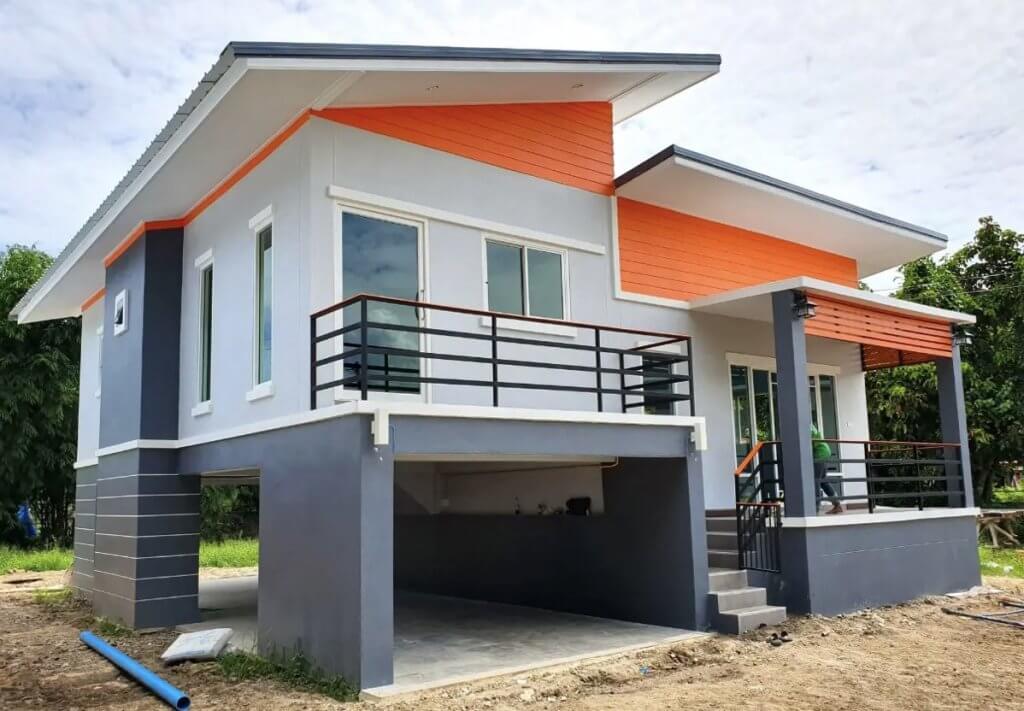
As I sat down on a serene Sunday morning, engrossed in Donald Asher’s thought-provoking book, my mind began to wander back to past experiences. A tweet from a friend also flashed through my thoughts, promising collaboration on a future writing project. However, that is a talefor another time. Recently, a lively debate erupted online about the possibility of affordable housing for Nigerians.It all started when a man shared a building design and boldly claimed that he could construct a typical 2-bedroom house of such design for a mere ₦5 million, provided the individual already owned the land. Naturally, this statement sparked intense discussions about the feasibility of such an endeavor and also on affordable housing for average earning Nigerians. While some dissenting voices questioned its reality, the majority seemed optimistic. However, as a seasonedconstruction professional, I cannot help but analyze the situation from a different perspective. A quick glance at the design, floor area, foundation, construction methods, finishes and electricaland mechanical fittings reveals the impracticality of this claim. Now, don’t misunderstand me ₦5 million can indeed complete a construction project, depending on the client’s preferences. However, in today’s Nigerian economy, it is unlikely to manifest the man’s vision at such a cost. I eagerly anticipate his Twitter space, where he promises to elaborates on the viability of his assertion, as knowledge is an eternal quest. Until then, I will keep the material costs I initially calculated in my mind and later jotted down on a rough paper. Instead, I feel compelled to enlighten the public about the multitude of factors that contribute to the overall cost of a construction project. Quantity surveyors do not merely conjure up a tender sum; theircalculations consider various crucial elements. Client Taste and Budget: The paramount factor that guides every decision in a project is the client’s taste and budget. The design, finishes, and building type are all contingentupon the client’s desire for quality, cost-effectiveness, and timely completion. Regardless of the budget’s magnitude, every client seeks to obtain the best value for their investment. Physical Site Conditions and Location: The topography of the land plays a vital role in determining the suitable substructure for the proposed project. The foundation construction on low-bearing soil capacity greatly differs from that on high-bearing capacity soil. Consequently, the costs of strip, raft, pile, or pad foundations vary accordingly. Moreover, the soil composition of different locations, such as Bayelsa, Rivers, Oyo, Ekiti, Kwara, Gombe, and Jigawa, significantly influences the foundationexpenses for identical building plans due to variations in soil composition. Design: The cost of a project hinges upon the intricacies outlined by architects, structural engineers, and other design professionals. Their collective efforts strive to align with the client’s requirements and preferences. Naturally, a 2-bedroom house will entail different costs compared to a duplex or a high-rise building. Additionally, the functionality and geometry of the structure, including shape, size, and complexity, exert their own impacton the final construction expenses. Prevailing Market Conditions: This factor encompasses the current market prices of construction materials and their susceptibility to fluctuations. In the present Nigerianeconomy, plagued by inflation, the prices of essential materials have soared. For instance, cement now ranges from ₦4,500 to ₦5,200 per bag, while sand costs ₦5,000 per ton.Granite is priced at ₦12,000 per ton, reinforcement at ₦500,000 per ton, and 9″ and 6″ blocks at ₦400 and ₦300, respectively. Additionally, hardwood price of 50mm x 75mmis priced at ₦850, etc. Further expenses include roofing sheets, paint, tiles, ceilings, doors, windows, electrical wiring, fittings, mechanical pipes and accessories all subject tothe client’s preferences. These examples merely scratch the surface, as numerous materials’ costs are directly influenced by the country’s economic climate. Procurement: This aspect delves into the process of acquiring products and services for the construction project. Multiple procurement methods exist, such as traditional procurement, design and build procurement, and management procurement, each offering its own advantages and considerations. Method of Construction: The chosen contractor, work methodology, labour and subcontractor costs, machinery expenses, site maintenance and the contractor’s profit margin all play a significant role in determining the method of construction and itsassociated expenses. Paperwork and Legislative Constraints: Throughout the construction process, variouslegal and regulatory requirements must be adhered to, this includes obtaining permits, licenses, approval from relevant authorities and fulfilling any other legal obligations, alladding a layer of complexity and associated costs. These factors are not intended to deter or dishearten anyone. Instead, they aim to shed light onthe intricacies and realities of construction project costs. Construction professionals, includingarchitects, quantity surveyors, engineers, builders, and land surveyors, are readily available toprovide guidance. So, instead of being swayed by lofty motivational rhetoric, seek assistance from these experts when you are ready. Even in the face of prevailing economic challenges, you can still materialize your dream house by following the appropriate procedures.

AFFORDABLE ACCOMMODATION IN PRESENT-DAY NIGERIA: A FEASIBLE REALITY ? by Abegunde Temitope Read More »